I help architecture firms become visible to the right clients.
I studied architecture, then spent years in marketing. UNCOMMON is what happens at the intersection: positioning, authority content, and outreach that gets commercial firms in front of the developers and owners who actually award the work.
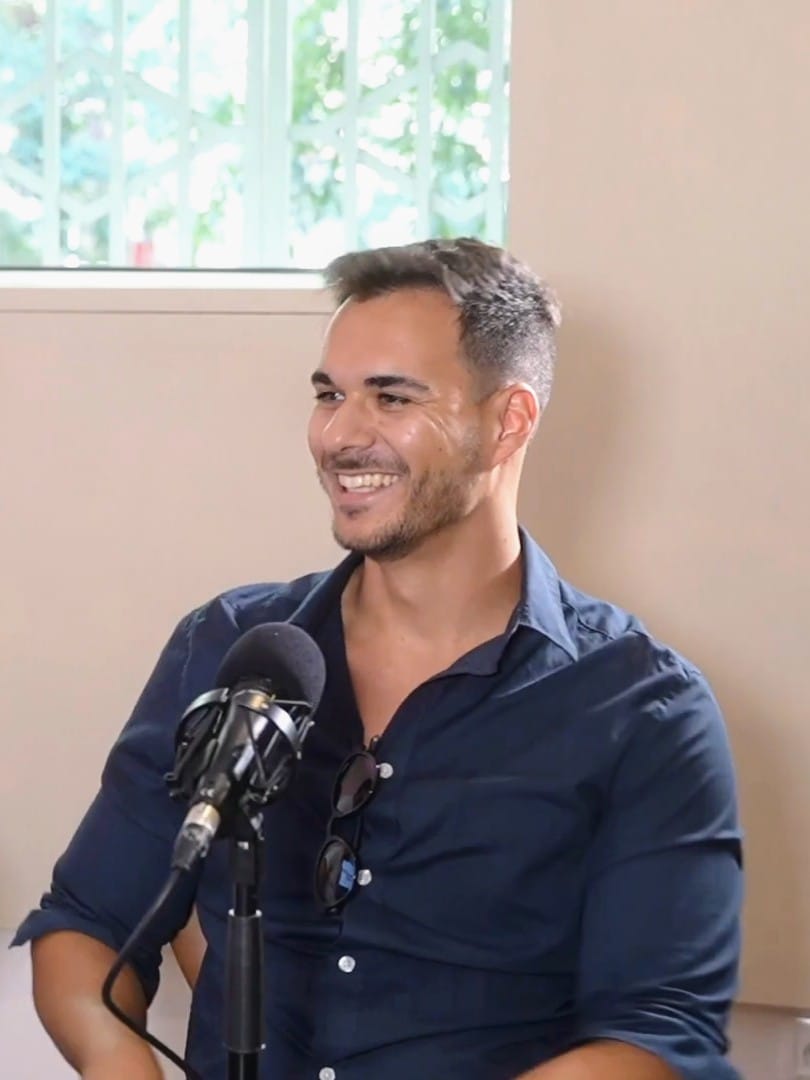
I left architecture for a simple reason. I watched firms with real portfolios and real talent stay invisible to the clients who would have valued them most.
The profession trains you to design buildings. It does not train you to be chosen. So most firms compete on price, accept every brief, and wait for referrals. I did not think that was a rule. I thought it was a default nobody had questioned.
Great design is not enough to get found. Communication is how architecture reaches the people it is meant for. UNCOMMON is the system I built to prove it.
Most of it comes down to three questions.
Who is this firm actually for?
Before any outreach, we get specific about the client a firm should own: the project type, the developer profile, the geography. A firm that tries to be for everyone is invisible to everyone.
Why trust them before the RFP?
We turn a principal's expertise into content the right buyers read. The goal is not reach. It is to be the reference a developer already recognizes when a project comes up.
How do they get in the room?
We run targeted outreach to named developers and owners, built around what those buyers care about: density, certainty, economics. Then we manage the pipeline that comes out of it.
If your firm is the kind I work with, this is where it starts.
The work I lead at UNCOMMON, with a small team I trust.
Some of the results we have delivered.
A 50-year multifamily firm with a reactive BD model, positioned as a density reference before the RFP stage.
A Bay Area residential studio with strong word of mouth but no digital engine. We rebuilt the site, launched local SEO, and opened a realtor referral channel from scratch.
A California commercial firm came to us with a single-page website and no outreach system. It exited with a defined market position and a working pipeline where there had been none.
None of these firms won a project in month one. They built relationships in the first quarter that turned into work over the following year. That is how this actually compounds.
Most firms outgrow doing this alone. Usually for one of four reasons.
You are a generalist in a market that rewards specialists.
You do strong work across a lot of project types. That range used to be a strength. Now it reads as "generalist," and developers shortlist the firms with a clear point of view. Narrowing your positioning is the fastest way to be remembered, and the hardest thing to do from the inside.
Your pipeline runs on referrals and luck.
Referrals built the firm. They are also unpredictable, and they tend to bring more of the same work at the same fees. Turning that into a pipeline you can forecast takes a system, not more networking.
You want to enter a new market and have no door in.
A new sector, a new city, a new country. You have the capability, but no relationships there and no obvious way to start. Breaking into a market where nobody knows you is a different game than serving the one you already own.
The right clients do not know you exist yet.
The developers and owners you want are choosing firms before the RFP is ever public. If you are not visible and credible to them months earlier, you compete late, on price, against firms already in the room.
I write about how firms win developer clients.
A few times a week, from real client work and real developer conversations. LinkedIn is the most useful place to follow it.
I am Estéfano. I studied architecture in Spain, liked the craft, and disliked the culture that came with it: the long hours, the lack of business sense, the feeling that the profession ran without options.
I went into marketing, then e-commerce, selling design products to architecture students. I learned that the visual thinking from architecture and the systems thinking from marketing were not separate skills. Together they were the thing I was good at.
I am not a traditional architect and not a traditional marketer. I am a strategist who understands both worlds from the inside, and I built a team to do this work with depth, not scale for its own sake.